A lawyer with a professional identity of his own
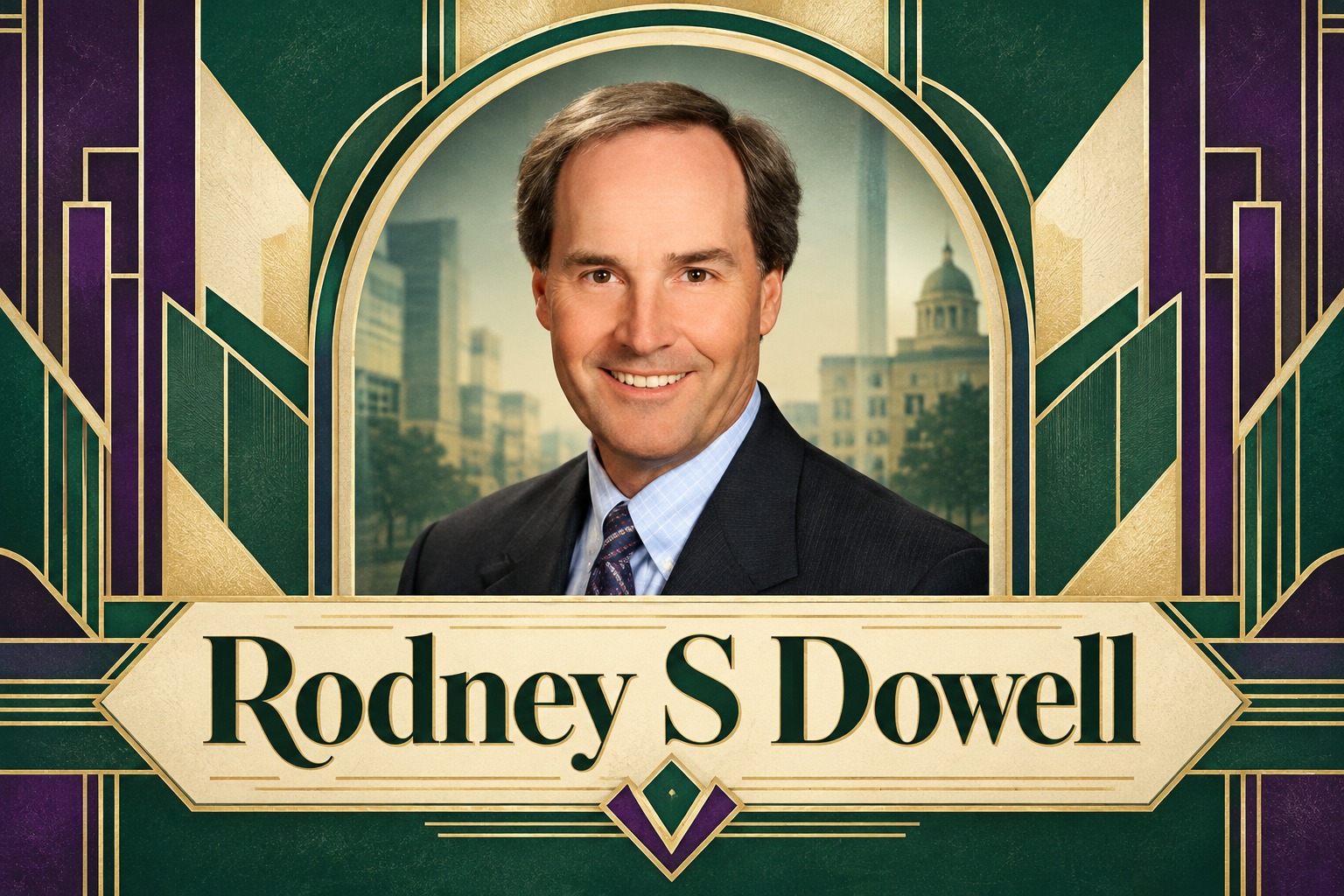
Rodney S. Dowell, whose full name is Rodney Scott Dowell, is a Massachusetts lawyer whose work has included litigation, support for legal practitioners, and professional regulation. He is also the husband of Katherine Clark. I begin with his legal career because the political prominence of a spouse can easily overshadow a substantial professional record.
His background connects the American West with Massachusetts. He was born around 1964 in Silver City, New Mexico, and is the son of Arthur A. Dowell Jr. and Ladene Dowell. He studied at the University of Colorado before earning his law degree at Cornell in 1989.
Cornell and the start of a partnership
Dowell met Katherine Marlea Clark at Cornell Law School. They married in 1992, linking two legal careers before Clark’s later congressional service. Their relationship therefore began in a shared educational setting rather than through the political world with which the family is now widely associated.
Clark was born on July 17, 1963, in New Haven, Connecticut. Her education included St. Lawrence University, Cornell, and Harvard. Her work later moved through local public service and the Massachusetts legislature before she entered Congress in 2013.
I see the Cornell connection as an important anchor in the family chronology. Both spouses had professional training of their own, and the marriage preceded the national offices that later made Clark especially visible. Dowell’s subsequent work developed alongside that changing public context.
Private practice in Colorado and Boston
After law school, Dowell worked as a litigation associate at Holland & Hart in Denver. In 1995, he joined Posternak, Blankstein & Lund in Boston. The move to Massachusetts brought a geographical change as well as a new setting for his legal work.
In 1998, he co-founded Berman & Dowell, focusing on civil litigation. Founding a firm added management and organizational responsibilities to the work of handling legal disputes. It also helps explain why his later interest in law office management was grounded in experience with legal practice.
The early sequence is clear: law school in 1989, litigation work in Colorado, a Boston move in 1995, and a firm established in 1998. I prefer those concrete milestones to broad claims about prestige that reveal little about what a lawyer actually did.
Supporting lawyers through LOMAP and LCL
In 2007, Dowell shifted toward support for the legal profession through Lawyers Concerned for Lawyers. He became the founding director of its Law Office Management Assistance Program, known as LOMAP. The program focused on the practical organization and management of legal work.
From 2011 to 2016, he served as executive director of Lawyers Concerned for Lawyers. The organization’s work includes assistance connected with lawyer well-being, mental health, and the difficulties of professional practice. These responsibilities placed his attention on lawyers as people managing demanding work, rather than only on the disputes they handled for clients.
I find that phase particularly important because it widens the definition of professional competence. Ethical legal practice depends on judgment and knowledge, but it also involves functioning offices and practitioners able to manage the pressures surrounding them. Dowell’s work addressed that supporting structure.
Dispute resolution and professional oversight
During the late 2010s, Dowell’s work also included alternative dispute resolution. Mediation and related approaches offer ways of addressing conflicts outside the full progression of courtroom litigation. That emphasis followed his experience as a civil litigator and as a leader in practitioner support.
He then took a leadership role as chief bar counsel within Massachusetts’s lawyer regulatory system, followed by a move to executive director of the Board of Bar Overseers in 2023. Those appointments placed him within the institutions responsible for the legal profession’s standards and administration.
The change in responsibility is more important than that narrow timing question. His career moved from representing parties in disputes to helping lawyers manage their work and then into oversight of professional standards. Each role approached the legal system from a different position.
National professional involvement
Dowell’s activities have extended to the American Bar Association’s Law Practice Division and initiatives concerned with lawyer well-being. He has lectured and written on ethics, practice management, and the conditions that support effective legal work.
His involvement also includes organizations such as Lawyers Concerned for Lawyers and the Massachusetts General Hospital Center for Law, Brain & Behavior. These associations connect the practice of law with questions of health, judgment, and human behavior.
My view of the resulting career is of a lawyer whose work increasingly concerned the profession itself. That focus differs from a conventional biography organized around a list of courtroom victories, while remaining closely connected to the quality of legal service.
Three children and two extended families
Dowell and Clark have three children: Addison, Riley, and Nathaniel. The family has lived in Massachusetts communities including Melrose and later Revere. Their children appeared in family settings connected with Clark’s entry into Congress, while generally maintaining lives outside sustained public attention.
Dowell’s parents, Arthur and Ladene, belong to the New Mexico side of the family. Clark’s parents were Harrison Chandler Clark and Judith Southerton Clark. Harrison, a lawyer, lived from 1927 to 2017. These relationships show two family backgrounds brought together by the marriage.
I keep the children and older relatives within the family portrait without turning every private matter or political headline into part of Dowell’s professional biography. His marriage and parenthood explain his immediate household; the litigation, assistance programs, and regulatory roles explain his legal work.
FAQ
What does Rodney S. Dowell do professionally?
He is a lawyer whose career has included civil litigation, law office management support, lawyer well-being work, and professional regulation. He became executive director of the Massachusetts Board of Bar Overseers in 2023 after serving as chief bar counsel.
How did he meet Katherine Clark?
They met at Cornell Law School. Dowell earned his law degree in 1989, and the couple married in 1992. Their shared legal education preceded Clark’s later local, state, and congressional political career.
What is LOMAP in his career history?
LOMAP is the Law Office Management Assistance Program at Lawyers Concerned for Lawyers. Dowell became its founding director in 2007, helping legal practitioners with the management side of professional work before later serving as LCL’s executive director.